


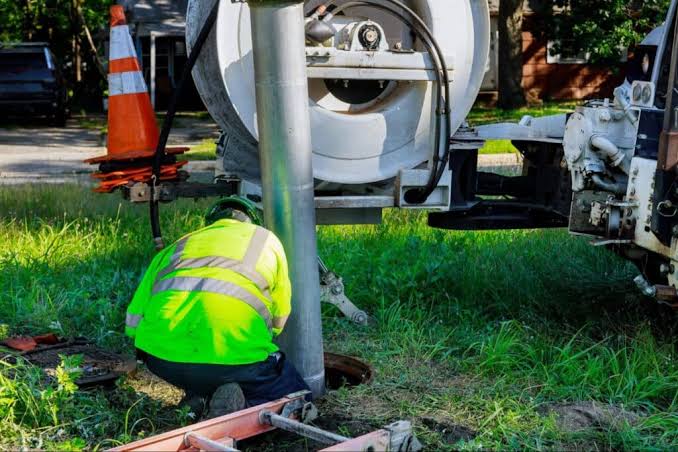
Most people don’t think much about the pipes beneath their property until something goes wrong. A slow drain, unpleasant odor, soggy patch of lawn, or sudden drop in water pressure can be easy to dismiss at first. Yet underground plumbing problems rarely improve by themselves.
The good news is that today’s plumbing industry has better inspection and repair methods than it did years ago. Homeowners no longer always have to accept the idea of digging up an entire driveway, garden, or walkway to fix a damaged pipe.
Understanding how your sewer and gas infrastructure works—and knowing which repair options are available—can make an unpleasant plumbing situation much easier to manage.
Why Your Sewer System Matters
Your sewer system quietly carries wastewater away from your home every day. Toilets, showers, sinks, washing machines, and other fixtures all depend on properly functioning drainage and sewer lines.
When a sewer pipe becomes blocked, cracked, displaced, or damaged by tree roots, the first signs may be fairly subtle. Drains might empty slowly, toilets may gurgle, or sewage odors may occasionally appear around the property.
Over time, however, a small defect can become a serious blockage or even a pipe collapse.
That’s why recurring drainage problems shouldn’t always be treated with another bottle of drain cleaner. If the issue keeps coming back, the main sewer line may need professional inspection.
Common Causes of Sewer Line Damage
Sewer pipes can fail for several reasons. Older clay, cast-iron, or other aging pipes may deteriorate naturally. Tree roots can enter through small cracks and gradually create larger obstructions. Ground movement can also cause pipes to shift or separate at their joints.
In some cases, poor installation or years of heavy use contribute to the problem.
A professional sewer camera inspection can help identify what’s actually happening inside the pipe. Instead of guessing where the problem is, technicians can examine the line and determine whether it can be cleaned, repaired, or needs replacement.
That information can save homeowners from paying for unnecessary excavation.
What Is Trenchless Pipe Replacement?
Traditional pipe replacement often involves digging a long trench to expose the damaged line. Depending on where the pipe is located, that could mean removing sections of landscaping, concrete, asphalt, or other surfaces.
trenchless pipe replacement offers an alternative in many situations.
Rather than excavating the entire length of the damaged pipe, trenchless methods generally use one or a small number of access points. Depending on the condition of the existing line and the chosen technique, the old pipe may be replaced or a new lining may be installed inside it.
This can significantly reduce surface disruption.
Of course, trenchless isn’t suitable for every property or every damaged pipe. Soil conditions, pipe location, accessibility, existing damage, and local requirements all matter. A professional assessment should determine whether the method makes sense.
Benefits Beyond Less Digging
One of the biggest attractions of trenchless technology is the reduced disturbance to the property.
Imagine a sewer pipe running beneath a mature garden or a paved driveway. Traditional excavation could leave a large area needing restoration after the plumbing work is finished. A trenchless approach may reduce that disruption considerably.
It can also shorten the restoration process in suitable applications.
Still, homeowners should look at the complete project rather than choosing a repair method solely because it sounds modern. A qualified plumber should explain the available options, expected lifespan, maintenance requirements, and total cost.
Don’t Forget the Gas System
Sewer problems tend to announce themselves through drainage issues. A problem with a gas system, on the other hand, requires a much more cautious response.
Gas lines supply fuel to appliances such as stoves, furnaces, dryers, and water heaters. If a line develops a leak, the consequences can be serious.
A sulfur-like or rotten-egg odor is commonly associated with natural gas because an odorant is added to make leaks easier to detect. Hissing sounds, damaged piping, or an unexplained change in gas use may also deserve immediate attention.
If you suspect a gas leak, don’t attempt to investigate or repair the line yourself. Leave the area and contact the appropriate emergency service or qualified gas professional according to local safety procedures.
Gas Repairs Should Never Be a DIY Project
It’s understandable that homeowners like solving small maintenance jobs themselves. Replacing a faucet washer or unclogging a sink can be fairly straightforward.
Gas piping is different.
Repairs, modifications, and installations should be handled by properly qualified professionals who understand applicable safety requirements and local codes. A temporary-looking fix may not address the actual problem and could create a dangerous situation.
A professional can inspect the line, identify the source of the issue, and determine whether a fitting, connector, appliance connection, or section of piping needs attention.
Inspection Is Often the First Smart Step
Whether you’re dealing with sewer trouble or concerns about gas piping, accurate diagnosis is important.
For sewer lines, camera inspection can reveal cracks, roots, blockages, corrosion, and collapsed sections. For gas systems, a qualified technician can use appropriate testing procedures to evaluate suspected leaks and determine the condition of the system.
This is particularly useful when buying an older property. Knowing the condition of underground infrastructure before completing a purchase can help you plan for future maintenance rather than being surprised by an expensive repair later.
Think Long-Term, Not Just About the Immediate Fix
A quick repair may solve today’s problem, but it isn’t always the best long-term answer.
For example, repeatedly clearing a sewer blockage may make sense if the issue is a simple obstruction. But if a camera shows a severely damaged pipe, continuing to clear it could simply postpone the inevitable.
Likewise, recurring gas-line concerns should be properly investigated rather than repeatedly patched.
Ask the professional to explain what caused the problem and what options are available. Understanding the difference between a temporary repair and a lasting solution can make a big difference to your budget.
Keep Your Underground Infrastructure on the Radar
You don’t need to become a plumbing expert to protect your property. Pay attention to recurring drainage problems, unusual odors, wet areas in the yard, and changes in appliance performance.
If something doesn’t seem right, getting it checked early is usually easier than waiting for a complete failure.
Modern inspection technology and trenchless repair techniques have made many underground plumbing projects less disruptive than homeowners might expect. But technology works best when paired with good diagnosis and experienced workmanship.
Your sewer and gas lines may be hidden from view, but they’re a major part of what keeps a property functioning safely. A little attention today can prevent a much bigger headache tomorrow.