


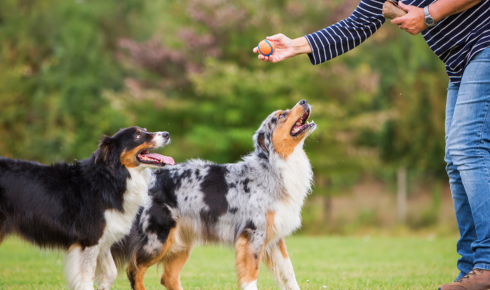
Building a strong relationship with a dog takes more than teaching commands. Real progress happens when owners learn how to communicate clearly, set consistent expectations, and guide behavior in everyday situations. That is why obedience and communication training Scottsdale dog owners choose is becoming increasingly focused on relationship-building instead of simple command repetition.
At Rob’s Dog Training, training is centered on helping dogs and owners work together with confidence. Whether dealing with a new puppy, leash pulling, jumping, distracted behavior, or inconsistent listening, communication-based training creates lasting habits that improve daily life.
For many families, the goal is not a perfectly rehearsed performance. The goal is a dog that listens at home, stays calm in public, and responds reliably in real-world situations. That level of trust comes from consistent guidance and practical obedience skills that strengthen communication between dog and owner.
Why Communication Matters in Dog Training
Many owners focus heavily on commands such as sit, stay, or heel. While these behaviors are important, dogs learn best through consistent communication patterns. Tone, timing, body language, energy, and follow-through all influence how a dog responds.
A dog that receives mixed signals often becomes confused or inconsistent. For example:
- Allowing jumping sometimes but correcting it at other times
- Repeating commands multiple times before expecting compliance
- Using frustration instead of calm direction
- Rewarding unwanted behavior unintentionally
Communication training helps owners recognize these habits and replace them with clear, reliable interactions.
When dogs understand expectations, they tend to become:
- More relaxed
- More responsive
- Easier to guide in distracting environments
- Less reactive during stressful situations
- More confident around people and other animals
This approach improves not only obedience but also the overall relationship between the dog and the family.
The Difference Between Obedience and Relationship-Based Training
Traditional obedience training often focuses only on teaching isolated commands during scheduled sessions. Communication-focused training takes those lessons further by applying them to real-life situations.
Traditional Obedience Training
- Command repetition
- Controlled training environments
- Short-term performance goals
- Limited focus on owner habits
Communication-Based Training
- Everyday structure and consistency
- Real-world distractions and environments
- Long-term behavioral reliability
- Owner education and leadership skills
Dogs do not naturally generalize behavior well. A dog that listens perfectly in the living room may completely ignore commands at a busy park or outdoor café. Communication training bridges that gap by helping dogs understand expectations across multiple settings.
Common Challenges Scottsdale Dog Owners Face
Every dog has a unique personality, but many owners experience similar struggles. Effective obedience and communication training Scottsdale families benefit from often addresses practical issues that affect daily routines.
Pulling on the Leash
Leash pulling can turn walks into stressful experiences. Communication training teaches dogs how to focus on their handler while remaining calm and responsive outdoors.
Jumping on Guests
Excited greetings may seem harmless at first, but they quickly become frustrating or unsafe. Clear communication and consistent boundaries help dogs learn appropriate greetings.
Ignoring Commands
Dogs that only listen when they feel like it often need improved consistency and engagement from their owners rather than harsher corrections.
Excessive Barking
Barking is a form of communication. Understanding the cause behind the behavior allows owners to redirect the dog more effectively.
Overexcitement Around Distractions
Dogs commonly struggle with focus around people, animals, bicycles, or busy public spaces. Structured training improves impulse control and attention.
Why Consistency Shapes Long-Term Results
One of the biggest factors in successful dog training is consistency. Dogs learn through repetition and predictable patterns. When expectations constantly change, behavior becomes unreliable.
Consistency includes:
- Using the same commands
- Following through calmly every time
- Reinforcing desired behavior immediately
- Maintaining routines at home
- Involving all family members in the training process
Many behavioral issues are unintentionally reinforced because owners react differently depending on the situation. Communication-based training helps eliminate confusion by creating clear expectations that dogs can understand.
The Role of Owner Education
A skilled trainer does more than teach a dog. They also teach the owner how to communicate effectively.
This is especially important because training sessions only represent a small portion of a dog’s daily life. Most learning happens at home during ordinary routines such as:
- Feeding time
- Walks
- Greeting visitors
- Play sessions
- Rest periods
- Car rides
- Public outings
Owners who understand how dogs interpret communication signals are often able to maintain better long-term results.
At Rob’s Dog Training, training focuses on helping owners develop practical handling skills that can be applied consistently outside formal sessions.
Building Confidence Through Structured Training
Many behavioral problems stem from uncertainty or overstimulation. Dogs that lack structure may become anxious, impulsive, or reactive because they do not clearly understand expectations.
Structured obedience training helps dogs:
- Develop impulse control
- Improve emotional regulation
- Build focus around distractions
- Respond calmly under pressure
- Gain confidence in unfamiliar environments
Confidence is especially important for younger dogs and puppies. Early communication habits often shape future behavior patterns well into adulthood.
Why Real-World Training Matters
Dogs behave differently depending on the environment. A quiet indoor setting does not reflect the distractions dogs encounter in everyday life.
That is why effective obedience and communication training Scottsdale pet owners seek should include exposure to:
- Parks
- Sidewalks
- Outdoor shopping areas
- Neighborhood walks
- Visitors at home
- Public distractions
Training in realistic settings helps dogs learn how to maintain focus and composure despite environmental stimulation.
This practical approach also prepares owners to handle unexpected situations with greater confidence.
The Importance of Timing in Communication
Dogs respond strongly to timing. Rewards, corrections, praise, and redirection all become more effective when delivered consistently and immediately.
Poor timing can confuse dogs because they may associate feedback with the wrong behavior.
For example:
- Praising too late may reinforce excitement instead of calmness
- Delayed corrections may create uncertainty
- Inconsistent reactions may weaken command reliability
Communication training helps owners become more aware of how timing influences learning.
Understanding Canine Body Language
Dogs communicate constantly through posture, movement, facial expressions, and energy levels. Owners who recognize these signals can respond earlier before behavior escalates.
Some common communication signals include:
- Lip licking
- Avoiding eye contact
- Stiff posture
- Tail positioning
- Excessive panting
- Ears shifting backward
- Hyper-focused staring
Understanding these signals allows owners to redirect behavior proactively rather than waiting until the dog becomes overstimulated.
This improves both safety and training success.
Why Balanced Training Creates Better Reliability
Many modern training programs focus heavily on either rewards alone or correction alone. In reality, most dogs benefit from balanced communication that includes:
- Clear guidance
- Positive reinforcement
- Fair accountability
- Consistent structure
- Calm leadership
Balanced training helps dogs understand both what behaviors are encouraged and what behaviors are unacceptable.
This clarity often leads to faster understanding and more reliable obedience in everyday situations.
How Communication Strengthens the Human-Dog Bond
Strong communication creates trust. Dogs that clearly understand their owners often become calmer and more connected because interactions feel predictable and fair.
This connection improves:
- Off-leash reliability
- Household behavior
- Public confidence
- Social interactions
- Travel experiences
- Daily routines
Owners also tend to feel less frustrated when communication becomes more effective.
Training is not simply about control. It is about building cooperation and mutual understanding.
Choosing the Right Dog Training Approach
Not all training programs focus on long-term communication skills. When evaluating a trainer, owners should look for:
- Real-world training applications
- Clear owner education
- Structured but adaptable methods
- Experience with behavioral issues
- Practical everyday results
- Emphasis on consistency and communication
Training should feel collaborative rather than overly rigid or confusing.
Dogs learn best when owners feel confident guiding them consistently.
Final Thoughts
Reliable obedience starts with clear communication. Commands alone are not enough to create lasting behavioral change. Dogs thrive when expectations are consistent, guidance is calm, and communication remains structured across daily life.
That is why many families searching for obedience and communication training Scottsdale services are choosing programs that focus on both dog behavior and owner education.
At Rob’s Dog Training, the goal is to help dogs become more focused, responsive, and confident while giving owners the tools needed to maintain long-term success. Through practical training, structured communication, and real-world application, owners can develop stronger relationships with their dogs and enjoy more reliable behavior in every environment.