


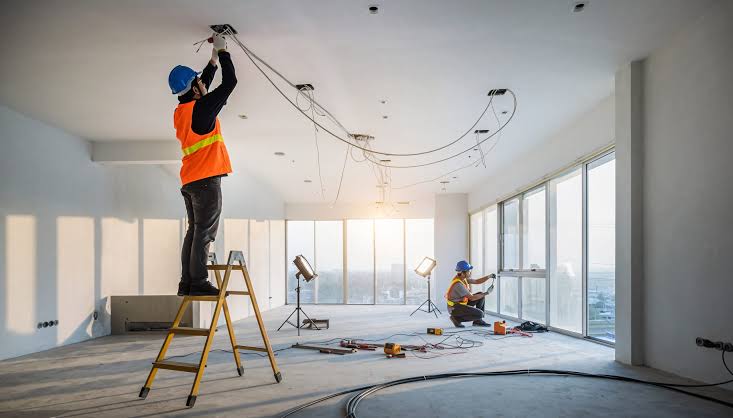
Walk into any well-designed commercial building and you’ll probably notice the architecture first. Maybe it’s the natural light, the spacious layout, or the polished finishes that catch your eye. What you probably won’t notice is the intricate electrical network hidden behind the walls—and that’s actually a sign that everything has been done right.
Electricity has become the silent engine of modern buildings. It powers lighting, climate control, communication systems, security equipment, computers, elevators, and countless other essentials that people rely on every day without giving them much thought.
The interesting part is that none of this happens by accident. Reliable electrical infrastructure is the result of thoughtful planning, experienced professionals, and decisions made long before construction reaches its busiest stages. When those early decisions are handled well, the building feels effortless to use. When they aren’t, problems have a way of showing up long after the ribbon-cutting ceremony.
Great Buildings Begin with Smart Preparation
Every successful construction project starts on paper.
Before equipment arrives and crews begin working, countless conversations take place between architects, engineers, contractors, and building owners. They discuss timelines, budgets, layouts, safety requirements, future expansion, and operational goals.
Electrical planning fits naturally into these discussions because nearly every system inside a commercial building depends on power.
It’s much easier to adjust a blueprint than it is to relocate electrical panels after concrete has been poured or walls have already been finished. That early preparation helps eliminate unnecessary delays while making the entire construction process more efficient.
Good planning isn’t about overcomplicating things. It’s about asking the right questions before expensive decisions become permanent.
Looking Beyond Today’s Requirements
One of the biggest mistakes in construction is designing only for current needs.
Buildings often remain in service for decades. During that time, businesses grow, technology changes, and operational demands shift dramatically.
A warehouse might become a distribution hub with automated equipment. An office may expand into hybrid workspaces with advanced networking requirements. Retail spaces continue adding digital displays, smart checkout systems, and electric vehicle charging stations.
Planning for future flexibility costs surprisingly little during construction compared to making major upgrades later.
Leaving spare conduit, allowing additional electrical panel capacity, and creating accessible cable pathways are relatively small decisions that can prevent costly renovations years down the road.
The Value of Professional electrical planning services
Experienced electrical planning services provide much more than wiring diagrams.
They evaluate power requirements, calculate electrical loads, identify code requirements, coordinate with other construction trades, recommend efficient equipment, and anticipate future operational needs that owners may not have considered.
Perhaps even more importantly, experienced planners recognise potential problems before construction begins.
Something as simple as relocating electrical rooms or adjusting conduit routes early in the project can prevent scheduling conflicts, reduce installation costs, and simplify future maintenance.
That’s the kind of expertise that often stays invisible once the building is complete, yet it continues adding value throughout the building’s lifespan.
Communication Keeps Construction Moving
Construction projects involve far more teamwork than many people realise.
Electricians coordinate with plumbers. HVAC specialists work alongside structural engineers. Technology consultants collaborate with architects. Interior designers influence lighting layouts and outlet placement.
Each decision affects someone else’s work.
Without regular communication, even small misunderstandings can create delays that ripple throughout the entire project schedule.
That’s why experienced construction teams invest so much time in coordination meetings. They help everyone stay aligned while reducing unnecessary surprises once installation begins.
Good communication may not sound exciting, but it’s often one of the biggest reasons successful projects remain on schedule.
Reliable Electrical Systems Support Every Corner of commercial projects
Modern commercial projects rely on dependable electrical infrastructure more than ever before.
Lighting affects employee productivity. Backup power protects essential operations. Security systems safeguard buildings around the clock. Heating and cooling equipment depend on stable electrical distribution, while communication networks require consistent power to keep businesses connected.
Every one of these systems interacts with the electrical network in some way.
When electrical planning is approached thoughtfully, the building becomes easier to operate, less expensive to maintain, and better prepared for changing business demands.
The opposite is equally true.
Poor planning often leads to overloaded circuits, inconvenient renovations, higher maintenance costs, and operational interruptions that nobody wants to deal with.
Energy Efficiency Begins Long Before Occupancy
Energy efficiency isn’t something that magically appears once people move into a building.
It starts during planning.
Circuit balancing, efficient lighting layouts, occupancy sensors, quality electrical equipment, natural daylight integration, and intelligent power distribution all contribute to lower operating costs over time.
Building owners naturally pay attention to construction budgets, but operational expenses continue for decades after completion.
Making smarter electrical decisions today often delivers substantial financial benefits long into the future.
That’s why experienced designers frequently focus on long-term value instead of simply reducing initial installation costs.
Why the design process Shapes Long-Term Success
Every successful design process considers far more than appearance alone.
Electrical infrastructure has to support functionality, maintenance, safety, adaptability, and efficiency simultaneously.
That means planning accessible electrical rooms, selecting equipment that can accommodate future growth, ensuring proper emergency power, coordinating technology infrastructure, and creating layouts that maintenance teams can service easily for years to come.
The best designs quietly solve problems before they ever have a chance to appear.
Most building occupants will never know how much planning went into the systems hidden above ceilings or behind finished walls. They’ll simply experience a building that works exactly as expected every day.
And that’s precisely the goal.
Small Choices Often Leave the Biggest Impression
It’s easy to focus on major construction milestones because they’re visible.
Steel structures rise. Concrete gets poured. Glass panels are installed.
But long-term building performance is usually shaped by dozens of smaller decisions made throughout the project. An extra electrical circuit. Better panel placement. Improved lighting control. Flexible wiring pathways. Additional capacity for future technology.
Individually, these choices seem minor.
Together, they create commercial spaces that remain practical, efficient, and adaptable throughout their entire service life.
Building for Reliability, Not Just Completion
Finishing construction isn’t the same as creating a building that performs well for decades.
The strongest commercial properties are those designed with both today’s operations and tomorrow’s possibilities in mind.
Thoughtful electrical planning contributes to safety, energy efficiency, reliable daily performance, and the flexibility businesses need as technology continues evolving.
While visitors may admire attractive architecture or modern interiors, the real strength of the building often lies in the systems they never see. Careful planning, experienced professionals, and a willingness to think ahead create electrical infrastructure that quietly supports every business activity, every working day, for many years after construction is complete. That’s the kind of investment that continues paying off long after the final inspection has been signed.