


There’s a moment most people have when surgery comes up in conversation. A pause. Maybe a slight tightening in the chest. It’s not dramatic, just… instinctive. Surgery still carries that old reputation—serious, invasive, something you’d rather avoid if you could.
But here’s the thing. The reality has been changing quietly.
Not overnight, not in some flashy, headline-grabbing way. Just steady progress, year after year, shaping a different kind of experience for patients. And if you haven’t looked into it recently, you might be surprised at how much has shifted.
It’s Not Just About Cutting Anymore
Modern surgery isn’t only about skill—it’s about precision. And increasingly, that precision is supported by technology that allows surgeons to do their work in ways that would’ve seemed impossible a couple of decades ago.
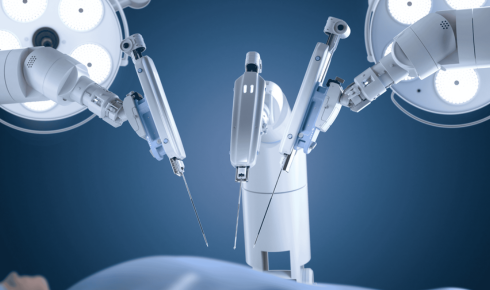
One of the most interesting developments is the use of robotic systems in the operating room. Now, despite the name, these systems don’t act independently. The surgeon is still very much in control. The technology simply extends their capabilities.
When people talk about robotic assistance benefits, they’re usually referring to that extra layer of control and accuracy. Movements can be more refined, visibility is enhanced, and delicate procedures become a bit more manageable.
It’s not about replacing human expertise—it’s about sharpening it.
A Shift Toward Less Disruption
Another noticeable change is how much effort goes into minimizing the impact of surgery on the body.
Years ago, larger incisions were often necessary just to access the area being treated. Today, that’s not always the case.
With newer techniques, many procedures are performed using smaller incisions, which might sound like a minor detail—but it isn’t.
Less disruption to the body means less strain overall. There’s often reduced pain afterward, a lower risk of complications, and yes, even the cosmetic side of things—smaller scars—can make a difference in how people feel about their recovery.
It’s a small change with surprisingly big effects.
Recovery Feels More Manageable
If you ask someone who had surgery 20 or 30 years ago about recovery, their answer might involve long hospital stays and extended downtime.
That’s not always the case anymore.
One of the most appreciated outcomes of modern surgical techniques is the potential for faster recovery times. Patients are often able to get back to their routines sooner, sometimes much sooner than they expected.
Now, that doesn’t mean recovery is instant or effortless. It still requires care, patience, and follow-through. But the overall timeline feels less daunting.
And that changes how people approach surgery in the first place.
The Emotional Side of It All
This is the part that doesn’t get talked about enough.
Surgery isn’t just a physical experience—it’s emotional too. There’s anticipation, uncertainty, sometimes even fear. And how that’s handled can make a big difference.
What’s encouraging is that healthcare providers are paying more attention to this side of things. Communication is clearer. Patients are encouraged to ask questions, to understand what’s happening and why.
It’s not just about getting through the procedure—it’s about feeling supported throughout the process.
And that support matters more than people often realize.
Not Every Experience Is the Same
Of course, it’s important to remember that not all surgeries—or patients—are the same.
Different procedures require different approaches. Some are straightforward, others more complex. Factors like overall health, age, and medical history all play a role in how things unfold.
That’s why personalized care has become such a focus.
Instead of applying a standard plan, medical teams are more likely to tailor their approach to fit the individual. It’s a subtle shift, but it makes the experience feel more aligned with your needs.
Technology Meets Human Skill
There’s a tendency to think of technology as something separate from human expertise. But in surgery, the two are deeply connected.
The tools have improved, yes—but they’re only as effective as the people using them.
A skilled surgeon, supported by advanced systems, can achieve outcomes that were once much harder to reach. And that combination—experience plus innovation—is what defines modern surgical care.
It’s not one replacing the other. It’s both working together.
Making Decisions Without Feeling Overwhelmed
With all these advancements, you might think choosing a surgical option would become more complicated. And in some ways, it can feel that way at first.
There are more choices now. More techniques, more approaches, more considerations.
But there’s also more information available. Patients can learn, ask questions, compare options. They’re not just passive participants anymore—they’re part of the decision-making process.
And that sense of involvement can make everything feel a little less overwhelming.
A Subtle but Meaningful Change
What stands out most about all of this isn’t any single breakthrough. It’s the overall direction things are moving in.
Surgery is becoming less about endurance and more about experience. Less about “getting through it” and more about navigating it with support, clarity, and confidence.
It’s still serious. It still requires trust. But it doesn’t carry quite the same weight it once did.
Final Thoughts
If you’ve been putting off surgery because of outdated assumptions or past experiences, it might be worth taking another look.
Things have changed.
Not in a way that makes surgery easy—but in a way that makes it more manageable, more precise, and more aligned with what patients actually need.
And sometimes, that quiet progress is exactly what makes all the difference.