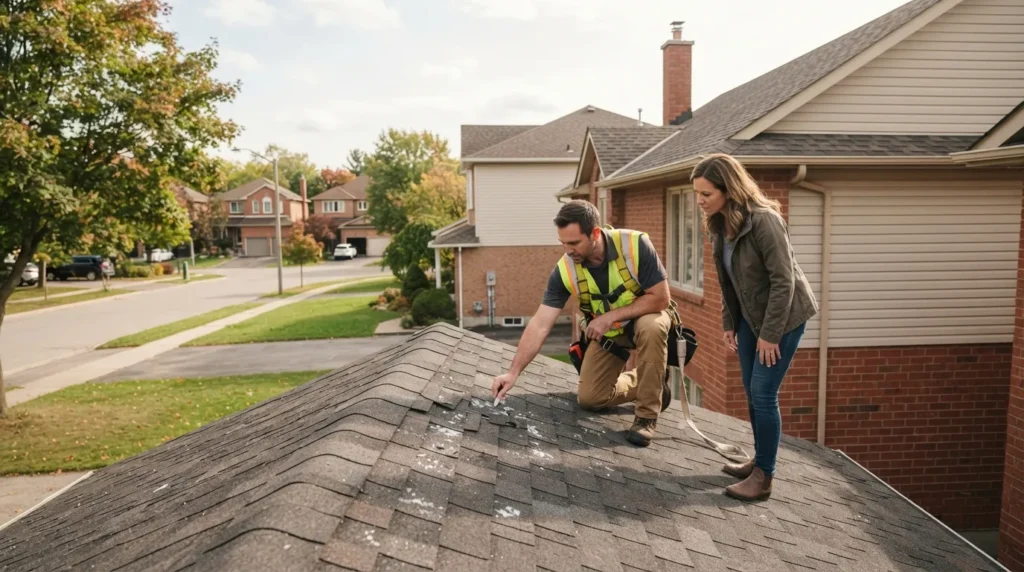
A roof rarely gets much attention when everything is working as it should. It sits above the house through hot afternoons, chilly nights, heavy rain, and all those ordinary days when nobody thinks to look up. Then a storm rolls in, the wind starts rattling the windows, and suddenly the roof becomes one of the most important parts of the home.
For homeowners, protecting that investment involves more than fixing a leak when one appears. Understanding roof construction, recognizing weather-related damage, and knowing how to respond after a storm can save time, money, and a fair amount of frustration. A little preparation goes a long way, especially when the weather doesn’t cooperate.
Understanding the Materials Above Your Head
Not all roofs are built the same way. The materials used on a home influence its appearance, expected lifespan, maintenance needs, and ability to withstand local weather conditions. Asphalt shingles remain popular because they’re widely available and suit many architectural styles. Metal roofing offers durability and can shed rain effectively, while tile and slate provide distinctive appearances and, in suitable conditions, long service lives.
Choosing roofing materials shouldn’t come down to appearance alone. Climate matters. A home in an area with frequent hailstorms may have different priorities from a property that mainly deals with intense sunlight or prolonged rainfall. Roof slope, ventilation, structural support, and local building requirements also influence which options make sense.
Budget is another consideration, of course. The cheapest option may not deliver the best long-term value, but the most expensive material isn’t automatically the right choice either. Ask roofing professionals to explain the advantages, limitations, maintenance requirements, and warranty terms of each suitable option. A good decision balances upfront cost with performance over time.
Why Wind and Hail Can Cause Hidden Problems
Storm damage isn’t always dramatic. Sometimes a storm leaves a large branch across the driveway, making the problem impossible to miss. In other cases, the roof looks unchanged from the street, even though shingles have loosened or protective surfaces have been affected.
Hail can bruise or crack certain roofing materials, damage metal components, and leave marks on gutters and roof vents. Strong winds may lift shingle edges, loosen fasteners, or tear away sections of roofing. Heavy rain can then enter through weakened areas, particularly around flashing, chimneys, skylights, and other roof openings.
The effects of hail and wind damage depend on the storm’s intensity, the roof’s age, the material installed, and the quality of previous repairs. Two houses on the same street may experience very different outcomes, even when the weather conditions appear identical.
That is why homeowners shouldn’t rely on a quick glance to decide whether a roof needs attention. A missing shingle is an obvious warning, but damage beneath the surface may require a trained professional to identify.
What to Look for After a Storm
Wait until the weather has passed and the surrounding area is safe before checking your property. From the ground, look for roofing pieces in the yard, damaged gutters, fallen branches, bent metal edging, or debris that may have struck the house. Inside, inspect ceilings and upper walls for fresh stains, bubbling paint, or signs of moisture.
If you have a safely accessible attic, you may notice damp insulation, unusual odors, darkened wood, or water marks. Don’t enter an attic if there are signs of structural instability, standing water near electrical equipment, or other hazards. And never climb onto a wet, icy, or storm-damaged roof yourself.
Even when no leak is visible, consider arranging an inspection if the storm was particularly severe or nearby properties have sustained damage. Water can take time to appear indoors, so waiting for a ceiling stain isn’t always the wisest approach.
Getting a Professional Roof Inspection
A qualified roofing contractor can examine areas that are difficult to assess from the ground. Depending on the roof and the circumstances, an inspection may include shingles, flashing, vents, gutters, roof edges, and visible signs of moisture intrusion.
Ask the contractor to explain what they found in plain language. Which areas are damaged? Are repairs urgent? Could water have entered the roof structure? Is the damage isolated, or does it affect a larger section?
Photographs can make these conversations much easier. They give you a record of the affected areas and help you understand why particular repairs have been recommended. If the proposed work seems extensive, a second opinion may be worthwhile, especially when the roof is relatively new or the reported damage is difficult to see.
Be wary of anyone who uses fear to pressure you into signing a contract immediately. Storm recovery can be hectic, but you still deserve time to review the estimate, check credentials, and understand the scope of work.
Handling the Insurance Process Without Extra Stress
When a storm damages a roof, homeowners often have questions about whether their policy will cover the repairs. The answer depends on the policy wording, the cause of the damage, applicable exclusions, deductibles, and the insurer’s assessment. Coverage shouldn’t be assumed before the claim has been reviewed.
If you suspect damage, photograph visible evidence from safe locations and keep notes about the storm date. Save receipts for emergency measures, such as temporary coverings or professional services, and document any interior damage before cleaning up when it is safe to do so.
Contact your insurance company promptly and follow its instructions. Understanding insurance claims can feel complicated, particularly when you’re also dealing with leaks or disrupted routines, so keep copies of correspondence, estimates, inspection reports, and receipts in one place.
A roofing contractor may help document the physical condition of your roof, but the insurer determines coverage under your policy. Avoid contractors who promise a guaranteed payout or encourage you to exaggerate damage. Accurate documentation protects your interests and helps keep the process straightforward.
Repair, Replace, or Wait?
Once the damage has been assessed, the next question is what to do about it. Minor damage may require replacing a few shingles, securing loose components, or repairing flashing. More extensive damage could justify replacing a larger section or, in some cases, the entire roof.
The right decision depends on the roof’s age, its overall condition, the extent of the damage, and whether similar problems have occurred before. A repair may be perfectly sensible for a roof in good condition, while repeated leaks on an aging roof could indicate that replacement deserves serious consideration.
Get a written estimate that outlines labor, materials, expected timelines, and potential additional costs. Check the contractor’s insurance, references, and relevant licensing requirements in your area. It is also worth asking how the work will be protected if rain arrives before the project is finished.
If water is entering the home, ask about safe temporary protection while permanent repairs are arranged. Quick action can limit further damage, but temporary fixes should not be mistaken for a complete solution.
Make Roof Maintenance Part of Homeownership
The best time to think about your roof is before a storm puts it to the test. Periodic inspections, clean gutters, trimmed overhanging branches, and prompt attention to loose or deteriorating components can reduce the likelihood of avoidable problems.
Keep records of repairs and maintenance, too. Knowing when the roof was installed, which materials were used, and what work has already been completed makes future decisions easier. These details can be especially useful when comparing repair options or discussing concerns with a contractor.
A roof doesn’t need constant attention, but it does deserve a little care. When homeowners understand their materials, respond sensibly to storm damage, and keep reliable records, they’re better equipped to protect both their property and their budget.
Weather will always be unpredictable. What you can control is how prepared you are, how quickly you respond to warning signs, and how carefully you choose the people who work on your home. Those practical decisions can make all the difference when the next storm arrives.