Most of us don’t think twice about filling a glass from the kitchen tap. Water is part of the daily routine, whether we’re making morning tea, cooking dinner, or filling a bottle before heading out. But when it tastes strange, leaves deposits in the kettle, or comes from a source whose quality is uncertain, it’s natural to start asking questions.
Choosing a suitable drinking water system can feel confusing at first. There are carbon filters, sediment filters, water softeners, and several other options, each claiming to solve a different problem. Among them, reverse osmosis has become a popular choice for households looking to reduce certain dissolved substances in their water. Understanding how it works, and where it makes sense, can help you decide whether it’s a good fit.
Why Your Water Quality Matters
Water can look clean without necessarily meeting every quality requirement. Some dissolved substances have little or no noticeable effect on taste, smell, or appearance. Others are easier to spot, such as iron that leaves reddish marks around sinks or minerals that create white deposits on faucets.
The source of your water plays an important role. Municipal supplies are generally treated and monitored, but the water reaching your home can still be affected by plumbing, storage tanks, or local conditions. Private wells and borewells may have different mineral levels and can require more frequent testing because groundwater quality varies by location.
It’s tempting to judge water by its taste alone, but that isn’t a dependable way to assess safety. Unpleasant-tasting water isn’t always unsafe, and water that tastes perfectly fine may still contain contaminants that need attention.
Start by identifying the source and arranging appropriate testing if you have concerns. Depending on local conditions, testing may include hardness, dissolved solids, nitrate, microbial contamination, or other relevant parameters. The results provide a much clearer basis for choosing treatment equipment.
Understanding How Reverse Osmosis Works
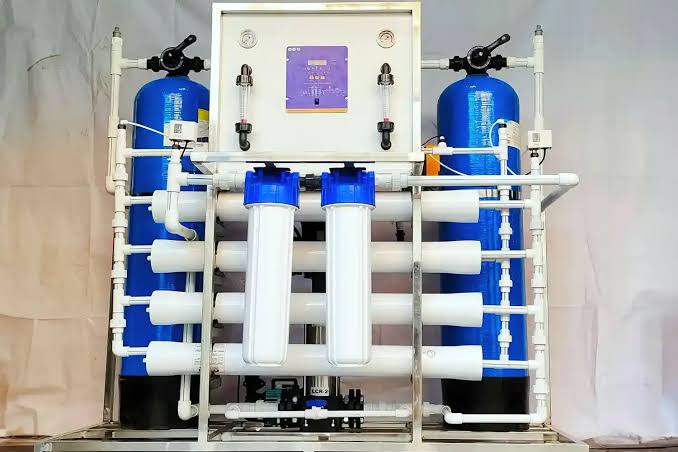
The basic principle behind reverse osmosis is fairly straightforward. Water is pushed under pressure through a specialised semipermeable membrane. The membrane allows water molecules to pass while rejecting a large proportion of many dissolved substances and other contaminants.
A typical household system uses several stages rather than relying on the membrane alone. A sediment filter may capture particles such as dirt and rust. Activated carbon can reduce chlorine and certain compounds that affect taste and odour. The RO membrane then carries out the main separation process, while an additional carbon filter may improve the final taste.
This combination can make a noticeable difference when the incoming water contains substances that the system is designed to reduce. However, performance depends on the equipment, incoming water quality, operating pressure, and maintenance. No single system should be assumed to remove every possible contaminant under every condition.
RO systems also generate wastewater as they separate rejected substances from the treated water. The quantity varies according to system design and operating conditions. If water efficiency matters to your household, ask the supplier about the system’s recovery rate and typical wastewater production before making a purchase.
What Makes RO Drinking Water Different?
People often choose ro drinking water systems because they want to reduce dissolved contaminants that simpler filters may not adequately address. Depending on the specific model, an RO system can reduce substances such as certain dissolved salts, lead, arsenic, and nitrate when it has been appropriately tested and certified for those reduction claims.
That last point matters. Two systems may look similar on a shop shelf but have very different performance capabilities. Check the manufacturer’s specifications and look for independent certification relevant to the contaminants you want to reduce. A general claim about purification is less useful than clear evidence showing what the product has actually been tested to do.
Reverse osmosis also reduces some minerals that naturally occur in water. Some people prefer the resulting taste, while others find it less appealing. Certain systems include a remineralisation stage that adds selected minerals back into the treated water. This can affect taste, but it doesn’t replace the need for proper testing or good maintenance.
It’s also important to understand that RO is not automatically the best answer for every water problem. Microbial contamination, for example, may require disinfection or additional treatment. If a test identifies a specific issue, make sure the chosen equipment is suitable for that exact concern.
When Do You Actually Need an RO System?
The answer depends on your water rather than on how popular a particular product happens to be. If your main complaint is a chlorine taste in treated municipal water, a certified activated carbon filter may be sufficient. If your primary issue is scale throughout the home, a water softener may be more appropriate.
RO becomes especially worth considering when testing reveals dissolved contaminants that the system is certified to reduce. It can also be useful in areas where groundwater has high dissolved-solids levels, although the specific composition of those solids should be understood before selecting equipment.
Household habits matter, too. A small family that uses filtered water mainly for drinking and cooking may have different capacity requirements from a larger household that fills several bottles throughout the day. Check the system’s daily production rating, storage capacity, and recovery time so you’re not left waiting for water during busy mornings.
Don’t forget the installation itself. Under-sink systems need adequate space, a suitable connection, and, in many cases, a drain connection. A professional installer can check these requirements and explain any limitations before work begins.
Maintenance Is Just as Important as Installation
A filtration system isn’t a fit-and-forget appliance. Sediment and carbon filters need replacing at recommended intervals, while the membrane may require periodic replacement depending on water quality, usage, and maintenance. Ignoring these tasks can reduce performance and affect the quality of the water produced.
Follow the manufacturer’s schedule, and keep a record of filter changes. If the water develops an unexpected taste, production slows considerably, or a leak appears, arrange an inspection rather than assuming the system is functioning normally.
The storage tank and dispensing tap deserve attention as well. Good maintenance helps prevent problems that could undermine the benefits of filtration. In situations where water safety is a concern, testing the treated water periodically can provide additional reassurance.
When comparing products, include replacement filters, servicing, and possible repairs in your budget. The cheapest unit upfront isn’t always the least expensive choice over several years.
Choosing the Right Water Treatment for Your Needs
The wider world of water treatment includes many technologies, and each serves a different purpose. Sediment filtration removes suspended particles, carbon filtration can improve taste and odour, softening reduces hardness, and reverse osmosis targets many dissolved substances. Some homes need only one method, while others benefit from a combination selected according to test results.
Be cautious of products that promise to solve every water concern with a single device. Ask suppliers which contaminants their systems reduce, what testing supports those claims, how much wastewater is produced, and what maintenance will cost. Clear, specific answers are a good sign that you’re making an informed decision.
Better Water Begins with Better Information
Choosing a drinking water system doesn’t need to become an expensive guessing game. Understand your source, test for relevant concerns, compare suitable technologies, and consider the long-term costs before committing to a product.
Reverse osmosis can be a valuable option when your water needs the type of treatment it provides. In other homes, a simpler filter or a different approach may be all that’s required. The important thing is to choose based on evidence, not assumptions.
When a system is properly selected, installed, and maintained, it can make everyday access to drinking water more convenient and consistent. And that’s really the goal: a solution that works quietly in the background, giving your household greater confidence every time someone reaches for a glass.