Water is one of those things most people barely think about until something goes wrong. Turn on the tap, fill a glass, take a shower — it’s all part of the daily rhythm. But when the water smells strange, tastes different, looks cloudy, or simply isn’t available when you need it, that routine can quickly become a concern.
For homeowners, understanding the quality and reliability of a water supply isn’t about becoming a water-treatment expert. It’s about knowing what could affect your household and when it makes sense to investigate further. After all, clear water isn’t always the same thing as safe water, and a dependable-looking supply can still have underlying problems.
What Can Affect the Quality of Your Water?
Water can pick up unwanted substances at several points along its journey. It may be affected by the original source, aging pipes, plumbing fixtures, environmental conditions, or problems with treatment and storage.
Some issues are easy to notice. A metallic taste, unusual odor, staining around sinks, or visible sediment can all raise questions. Others are much harder to spot because many substances that affect water quality have no obvious smell, color, or taste.
This is where contaminants & health concerns become important. Depending on the source and local conditions, water may contain things such as bacteria, sediment, chlorine byproducts, lead, nitrates, certain chemicals, or naturally occurring minerals. Not every contaminant presents the same level of risk, and the presence of a substance doesn’t automatically mean your water is dangerous. What matters is what is present, at what concentration, and for how long people are exposed to it.
That’s why assumptions aren’t particularly useful when it comes to household water. Testing gives you something much more valuable: information.
Why a Reliable Water Supply Matters
Water quality is only one side of the equation. Availability matters too.
Imagine starting your morning and finding that the water pressure has dropped dramatically. Or perhaps the supply stops altogether for several hours. These situations aren’t merely inconvenient when they happen repeatedly. They can interfere with cooking, cleaning, bathing, laundry, gardening, and other everyday tasks.
An unreliable water supply may result from several factors, including local infrastructure issues, low pressure, seasonal shortages, well problems, pump failures, storage limitations, or plumbing leaks. In some homes, the problem is temporary. In others, it points to a larger issue that needs professional attention.
For households that depend on private wells, monitoring becomes especially important because the homeowner is responsible for understanding the condition of the water source and related equipment. Municipal water users also benefit from staying aware of their home’s plumbing and any changes in water quality.
A dependable supply isn’t just about having water come out of the faucet. It means having enough water, at an appropriate pressure, and with quality you can feel confident about.
The Trouble With Judging Water by Appearance
One of the most common mistakes people make is assuming that water is safe because it looks clean.
It’s understandable. If a glass of water is clear and doesn’t smell unusual, most people won’t question it. But water chemistry doesn’t always announce itself.
Some contaminants are microscopic. Others dissolve completely into water, leaving no visible evidence behind. Even problems caused by older plumbing may not produce obvious warning signs right away.
On the other hand, cloudy or discolored water isn’t necessarily a sign of a serious health hazard either. Air bubbles, harmless minerals, pipe disturbances, or sediment can sometimes change the appearance of water.
In other words, your senses are useful for noticing changes, but they aren’t a substitute for testing.
If you’ve recently noticed an unusual taste or odor, experienced repeated plumbing problems, moved into an older property, or simply haven’t checked your water quality in years, it may be worth taking a closer look.
Why Water Testing Is a Smart First Step
Before choosing a filtration system, softener, purifier, or other treatment equipment, it helps to understand what you’re actually trying to solve.
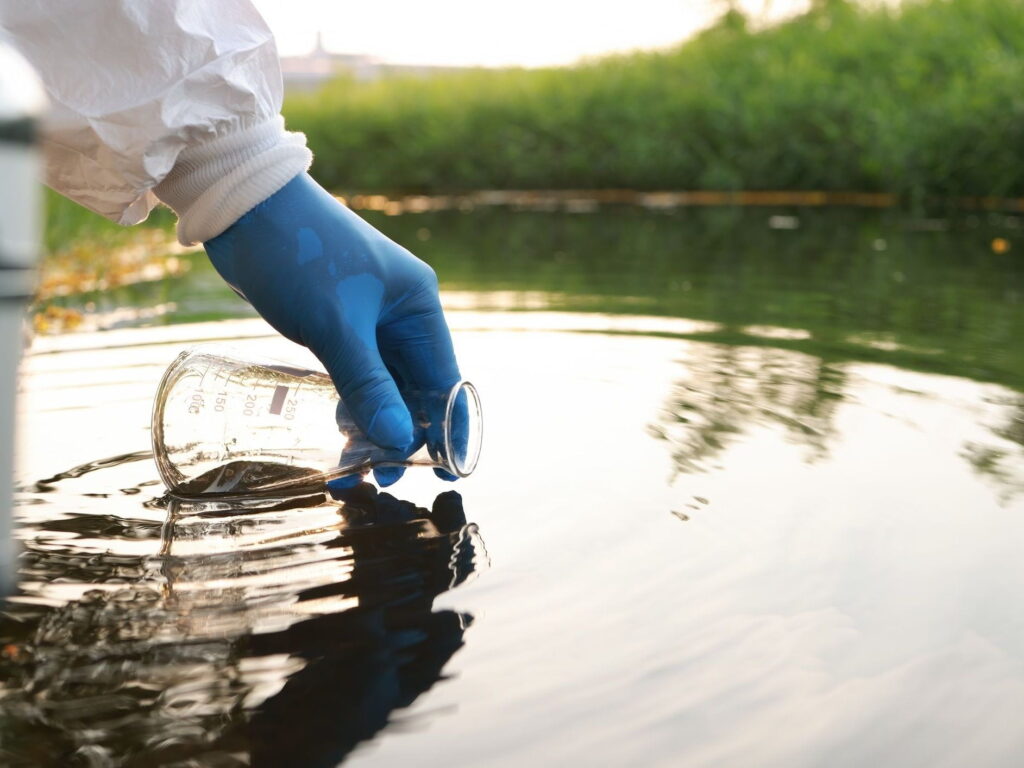
A free water test can be a practical starting point for homeowners who want basic insight into their water quality without immediately committing to a treatment system. Depending on the provider and type of test, testing may look at factors such as hardness, pH, chlorine, iron, or other indicators.
More comprehensive laboratory testing may be appropriate when there’s a specific concern about bacteria, heavy metals, chemicals, or other contaminants.
The important thing is not to buy equipment based purely on a sales pitch or a vague concern. A treatment system should match the water problem. Hard water, for example, is a different issue from bacterial contamination, and neither should be treated as though one device automatically solves everything.
Testing first can help narrow down the problem and make the next decision much clearer.
Common Warning Signs Worth Paying Attention To
Sometimes your home gives you small clues before a water problem becomes a major headache.
Keep an eye out for:
- Persistent unpleasant odors from faucets or drains
- Metallic, salty, bitter, or unusual tastes
- Brown, yellow, or cloudy water
- White scale around faucets and appliances
- Frequent sediment in sinks or water fixtures
- Sudden changes in water pressure
- Water that leaves unusual stains on laundry or plumbing
- Recurring problems with pumps, wells, or storage tanks
- Noticeable changes after plumbing repairs or construction
None of these signs automatically proves that your water is unsafe. Still, a persistent change shouldn’t simply be brushed aside.
If something has changed, it’s worth finding out why.
Choosing the Right Water Treatment Approach
Once testing identifies a problem, the next question is treatment.
There isn’t one perfect solution for every home. Depending on the results, options might include sediment filtration, activated carbon filtration, water softening, reverse osmosis, UV treatment, or specialized filtration designed for a particular contaminant.
For example, a water softener is generally designed to address hardness minerals such as calcium and magnesium. It isn’t a universal purifier. Likewise, a reverse osmosis system can be useful for certain dissolved substances at the point of use, but it may not be the right answer for every whole-house water concern.
The goal should always be targeted treatment rather than simply adding more equipment.
A qualified water professional can help interpret test results, assess the plumbing setup, and determine whether treatment is actually necessary. That’s particularly useful when several issues appear at once.
Don’t Ignore the Source of the Problem
Water treatment can improve quality, but it shouldn’t be used to hide an underlying plumbing or supply problem.
A leaking pipe, failing well pump, damaged pressure tank, poorly maintained storage system, or deteriorating plumbing may require repair rather than filtration. Treating symptoms while ignoring the cause can become expensive over time.
Regular maintenance is also surprisingly valuable. Replacing filters on schedule, checking equipment, inspecting plumbing, and paying attention to changes in water pressure can prevent small issues from turning into expensive emergencies.
For well owners, periodic water testing is particularly important because conditions can change over time due to weather, groundwater movement, agricultural activity, construction, or changes around the property.
A Little Awareness Goes a Long Way
Most people don’t need to spend their weekends thinking about water chemistry. But they should know enough to recognize when something doesn’t seem right.
Pay attention to changes. Test when there’s a reason to be concerned. Understand what your treatment equipment is actually designed to remove. And if the problem involves plumbing, wells, pumps, or pressure, don’t assume a filter will fix everything.
Good water isn’t something you should have to worry about every time you turn on the tap. With sensible testing, appropriate maintenance, and the right treatment when necessary, homeowners can take a more confident approach to one of the most basic — and most important — parts of everyday life.