Water is one of those resources businesses depend on every day without giving it much thought. It flows through kitchens, production lines, washrooms, cooling equipment, boilers, and cleaning stations. When everything works as expected, it’s easy to overlook. But when water quality starts affecting equipment, operations, or the customer experience, the problems can quickly become difficult to ignore.
A little mineral buildup, unpleasant odor, inconsistent water pressure, or recurring equipment issues may seem like minor inconveniences. Yet these problems can gradually increase operating costs and create unnecessary interruptions. Understanding water quality and choosing the right treatment approach can make a real difference in how efficiently a business runs.
Why Businesses Should Pay Attention to Water Quality
Commercial water needs aren’t the same everywhere. A restaurant may require clean, reliable water for food preparation and beverages, while a hotel depends on it for laundry, showers, cleaning, and guest comfort. Manufacturing facilities, meanwhile, may need water with very specific characteristics for their processes.
Water from municipal supplies and private wells can contain dissolved minerals, sediment, chlorine, and other substances. Their concentration varies depending on the source, location, and treatment process. Hard water, for example, can cause scale deposits inside pipes, heating equipment, and appliances. Sediment may affect valves or filters, while certain water characteristics can interfere with industrial production.
Identifying these issues early allows business owners to make informed decisions rather than reacting to costly problems after they appear.
Finding the Right Treatment for Your Business
There isn’t one water treatment system that works perfectly for every commercial property. The right equipment depends on how water is used, how much is consumed, and which quality concerns need to be addressed.
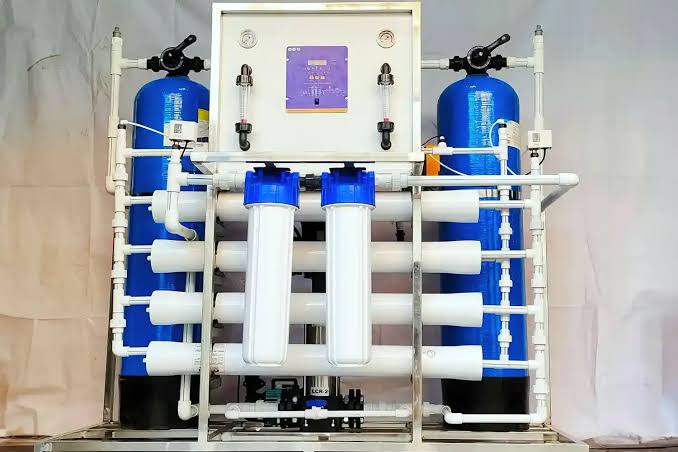
Exploring business water treatment and filtration options is a sensible starting point for companies looking to improve efficiency and protect their equipment. Basic sediment filters may be enough to remove visible particles, while activated carbon filtration can help reduce chlorine-related taste and odor. Water softeners are often used to manage hardness, and reverse osmosis systems can reduce many dissolved substances when a more advanced level of treatment is needed.
Choosing equipment without understanding the water supply can lead to disappointing results. A system might be too small for peak demand, or it may remove substances that aren’t actually causing a problem. Water testing helps narrow down the options and avoids spending money unnecessarily.
Protecting Equipment and Maintaining Daily Operations
Water-related equipment problems rarely happen overnight. Mineral scale slowly accumulates inside heating elements, pipes, commercial dishwashers, washing machines, and other machinery. Eventually, this buildup may reduce efficiency, increase maintenance requirements, and affect equipment performance.
For businesses that use heated water frequently, hardness management can be particularly important. Scale acts as an insulating layer on heating surfaces, making it harder for equipment to transfer heat efficiently. Over time, this may contribute to increased energy use and premature wear.
Appropriate water filtration for commercial facilities can help address these concerns by improving water quality at the points where it matters most. Depending on the application, businesses may benefit from whole-building filtration, dedicated drinking water systems, softeners, or specialized treatment units for individual machines.
The goal isn’t necessarily to eliminate every mineral or install the most advanced technology available. It’s to keep equipment operating reliably while making maintenance more predictable.
Specialized Water Needs in Industrial Environments
Industrial facilities often have water requirements that go beyond everyday filtration. Manufacturing processes, cooling towers, boiler systems, product washing, and material preparation may all depend on specific water conditions.
In these settings, even small variations in water quality can have consequences. Dissolved solids, hardness, iron, silica, and other substances may affect product consistency, equipment performance, or process efficiency. Some operations require low-mineral water, while others need careful control of certain chemical characteristics.
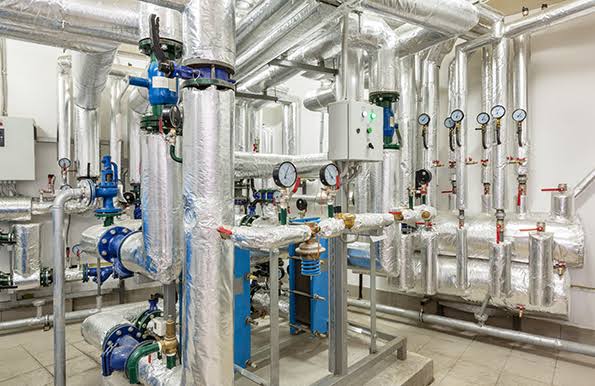
Professional industrial water treatment services can help businesses assess these requirements and design suitable treatment processes. Depending on the application, solutions may include pretreatment filtration, water softening, reverse osmosis, deionization, chemical treatment, or a combination of technologies.
Industrial water treatment should always be based on actual process requirements. What works for a food processing facility may be entirely unsuitable for metal finishing or laboratory operations. Proper assessment, equipment sizing, and routine monitoring are essential for consistent performance.
Making Water Treatment More Cost-Effective
Business owners naturally want to control expenses, but the cheapest system isn’t always the most economical choice over time. Equipment price is only one part of the equation. Installation, energy consumption, replacement filters, chemicals, servicing, water waste, and downtime should also be considered.
A reliable treatment system may reduce certain maintenance costs and help prevent recurring scale-related problems. However, these benefits depend on water conditions, equipment selection, and proper operation.
It helps to compare systems based on their expected lifespan and total operating costs rather than focusing entirely on the initial quotation. Ask about service requirements, replacement components, warranty coverage, and whether the system can accommodate future expansion.
A Smarter Approach to Water Management
Good water management doesn’t have to be complicated. Start by understanding your supply, identifying the problems affecting your operation, and determining which treatment methods are genuinely necessary. From there, select equipment that fits your daily requirements and can be maintained without unnecessary difficulty.
Water may not be the most visible part of running a business, but it touches almost every routine. Cleaner, properly treated water can support better equipment performance, more consistent operations, and a comfortable environment for employees and customers.
Sometimes, improving the things people don’t notice is exactly what makes a business work better.