First Impressions Start Before You Even Speak
There’s something oddly satisfying about seeing a perfectly wrapped vehicle glide past you. It’s clean, sharp, almost like the car itself is telling a story—quietly, but confidently. Whether it’s a small business van or a full fleet of branded vehicles, wraps have become one of those marketing tools that people don’t consciously notice, yet somehow always remember.
But here’s the thing most people don’t realize: a great wrap isn’t just about design. It’s about everything that happens before and after that design touches the vehicle. The difference between a wrap that turns heads and one that starts peeling in months? It usually comes down to the process, not just the creativity.
Why Quality Matters More Than Speed
We live in a world that loves shortcuts. Faster deliveries, quicker installs, instant results. And sure, speed has its place. But when it comes to vehicle wraps, rushing the job is one of the most expensive mistakes you can make.
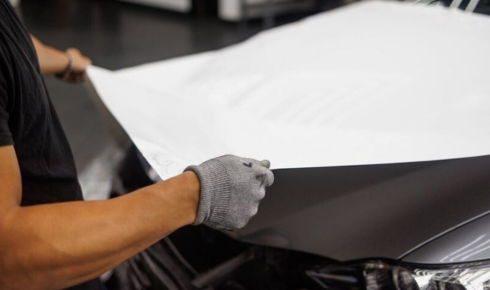
Professional installation services aren’t just about sticking vinyl onto a car. There’s a rhythm to it. A certain patience. Skilled installers understand how temperature, pressure, and even the shape of a vehicle’s curves can affect the final outcome. It’s not uncommon to see cheaper jobs fail within a year—edges lifting, bubbles forming, colors fading unevenly.
On the other hand, a properly installed wrap can last several years and still look fresh. That’s not luck. That’s craftsmanship.
The Often-Ignored Step That Changes Everything
Ask anyone experienced in wrapping, and they’ll tell you: the real work starts before the vinyl even comes out of the box.
Surface preparation is one of those behind-the-scenes steps that doesn’t get much attention—but it should. Think about it this way: you wouldn’t paint over a dusty wall and expect it to look perfect, right? Same idea.
Good surface prep involves deep cleaning, removing oils, polishing imperfections, and sometimes even minor repairs. It’s a bit tedious, honestly. Not glamorous at all. But skip it, and the wrap simply won’t adhere properly.
And that’s where problems begin. Tiny air pockets. Adhesion issues. Premature wear. It all traces back to what wasn’t done before the installation.
Design Is Only Half the Story
People love to focus on design—and rightly so. A visually striking wrap can boost brand visibility in ways that traditional ads just can’t. But even the most stunning design will fall flat if it’s poorly executed.
There’s also something to be said about how designs interact with the physical shape of a vehicle. A good designer knows how to work with door handles, curves, and panel gaps—not against them. It’s almost like tailoring a suit. You can have the best fabric in the world, but if it doesn’t fit right, it shows.
And when everything aligns—design, prep, and installation—you get that seamless look that feels almost factory-made.
When It’s Time for a Change
Nothing lasts forever, not even the best wraps. Maybe your branding has evolved, or you’re simply ready for something new. That’s where the removal process comes in—and yes, it matters just as much as installation.
Proper wrap removal ensures that the vehicle’s original paint stays intact. Done incorrectly, it can leave behind adhesive residue or, worse, damage the paint itself. And fixing that? It’s not cheap.
Experienced professionals use controlled heat and careful techniques to peel off the wrap cleanly. It’s a slow process, but it protects what’s underneath—which, at the end of the day, is the actual asset.
The Cost vs. Value Conversation
Let’s talk money for a second. Vehicle wraps aren’t the cheapest marketing option out there, but they’re far from the most expensive either. And when you break it down—cost per impression, longevity, brand visibility—they often outperform traditional advertising channels.
Still, there’s always the temptation to go for the lowest quote. It’s understandable. But in this industry, lower cost often means compromises: cheaper materials, rushed prep, inexperienced installers.
And those compromises? They tend to show up later, when it’s too late to fix things easily.
Investing in quality upfront usually saves money—and headaches—down the road.
Small Details, Big Difference
Sometimes it’s the little things that make the biggest impact. Clean edges. Smooth finishes. Perfect alignment across panels. These details might seem minor, but they’re what separate a “good” wrap from a truly great one.
People might not consciously notice them, but they feel them. There’s a level of polish that just… resonates.
It’s a bit like walking into a well-designed space. You may not pinpoint exactly why it feels right, but you know it does.
Final Thoughts: It’s More Than Just a Wrap
At its core, vehicle wrapping is a blend of art and technique. It’s creative, yes—but also deeply technical. And when done right, it transforms a vehicle into something more than just transportation. It becomes a moving statement.
So if you’re considering a wrap, take a step back and look at the bigger picture. Think beyond the design. Ask about the process. Pay attention to the details that most people overlook.
Because in the end, it’s not just about how your vehicle looks on day one. It’s about how it holds up over time—and what it says about you or your brand every single day it’s on the road.