A water filtration system is easy to appreciate when it’s new. The water tastes refreshing, everything operates smoothly, and you’re pleased with your decision to improve your household water quality. Fast-forward several months, however, and that same equipment might barely cross your mind.
That’s usually how household maintenance gets overlooked. When something works quietly in the background, there’s little reason to think about it.
But filtration equipment has components that gradually wear out, become clogged, or lose their treatment capacity. Ignoring these changes can affect water quality and equipment performance.
Fortunately, keeping your system in good condition doesn’t need to be complicated or particularly time-consuming. Knowing when to arrange maintenance, recognize developing problems, and replace essential components can make ownership considerably easier.
Why Regular Servicing Is Better Than Waiting for a Breakdown
Nobody particularly enjoys dealing with unexpected equipment failures. They’re inconvenient, sometimes expensive, and often happen when you’ve already got enough on your plate.
Arranging scheduled water filtration maintenance helps homeowners stay ahead of preventable problems rather than waiting until their equipment stops working properly.
Routine servicing may include inspecting connections, checking operating pressure, examining treatment components, and replacing exhausted filters when necessary.
These assessments can also reveal minor issues before they develop into more complicated repairs.
Consider a filter that’s gradually becoming clogged with sediment. You might not notice the declining water flow immediately because the change happens slowly.
Regular inspections can help identify such problems earlier.
The appropriate maintenance frequency depends on equipment specifications, incoming water conditions, and household consumption. Following manufacturer recommendations is generally the most sensible starting point.
Understanding Why Your Water Treatment Equipment Isn’t Performing Properly
Have you noticed that filling a drinking glass takes noticeably longer than it used to? Perhaps your treated water has developed an unfamiliar taste, or there’s moisture collecting beneath the filtration unit.
These symptoms deserve attention, although they don’t necessarily indicate a major failure.
Professional water treatment system troubleshooting involves investigating the equipment’s operating conditions and identifying the underlying cause of performance problems.
Reduced water flow, for example, might result from clogged cartridges, insufficient incoming pressure, or a malfunctioning storage tank.
Unexpected leakage could involve a deteriorating seal or damaged connection.
Rather than replacing components randomly, a qualified technician can assess the equipment systematically and recommend appropriate repairs.
This approach can help prevent unnecessary purchases while restoring normal operation.
Sometimes, the actual problem turns out to be much simpler than homeowners initially imagined.
Knowing When Filters and Membranes Need Attention
Different filtration components perform different tasks, and naturally, they don’t all have identical service lives.
Sediment filters capture suspended particles, carbon cartridges adsorb certain substances, and reverse osmosis membranes separate water from various dissolved contaminants.
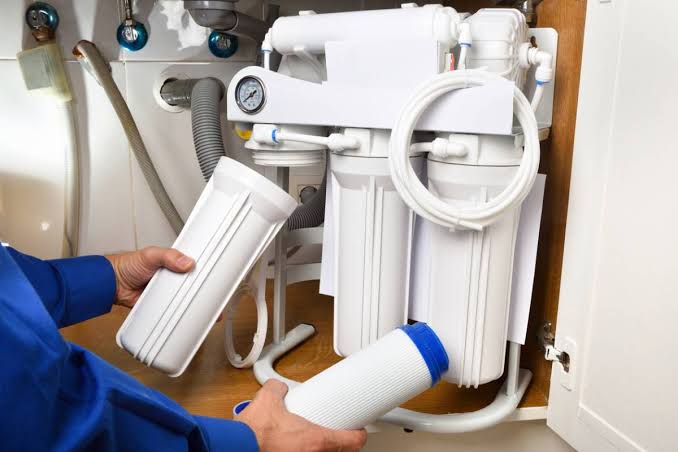
Reliable filter and membrane replacement services help ensure these components are assessed and replaced according to the equipment’s requirements.
Neglecting prefilter replacement may place additional strain on downstream treatment stages. Similarly, a deteriorating membrane may affect the system’s ability to reduce targeted contaminants.
Relying entirely on water taste isn’t a dependable maintenance strategy. Some contaminants cannot be detected through ordinary sensory observations.
Choose compatible replacement components and follow the recommended servicing intervals for your specific system.
Quality replacement parts can make a considerable difference in maintaining consistent treatment performance.
How Incoming Water Quality Influences Maintenance Requirements
Two households using identical filtration equipment might have completely different maintenance needs.
A property receiving water with considerable sediment may experience faster cartridge blockage. Another household with excessive mineral hardness could encounter scale accumulation inside certain treatment components.
Water consumption matters, too. A busy family naturally places different demands on filtration equipment than someone living alone.
These differences explain why generic replacement schedules don’t always provide the complete answer.
Appropriate water testing can help identify conditions that contribute to frequent maintenance problems.
If your filters consistently require replacement sooner than expected, investigating the incoming supply may reveal whether additional pretreatment would be worthwhile.
Addressing the underlying water conditions could help make equipment maintenance more manageable.
Simple Checks Homeowners Can Perform Between Service Visits
Looking after filtration equipment doesn’t mean becoming an expert in plumbing or water chemistry.
Occasionally check accessible connections for visible moisture. Pay attention to unexpected changes in water flow and keep track of when replacement cartridges were installed.
Equipment alarms and maintenance indicators shouldn’t be ignored either.
If something appears unusual, make a note of when the problem began and whether it happens continuously or intermittently.
This information can be helpful when discussing concerns with a service technician.
Avoid dismantling unfamiliar pressurized components or attempting complicated electrical repairs.
A few straightforward observations are often enough to identify when professional attention is necessary, without creating additional problems through unsuitable repair attempts.
Don’t Overlook the Importance of Follow-Up Water Testing
Installing fresh filters doesn’t automatically prove that every water quality concern has been resolved.
Periodic testing can help verify whether treatment equipment continues reducing the substances it’s designed to address.
This is particularly important when filtration targets potentially harmful contaminants or when a household relies on a private well.
Keeping previous laboratory results and maintenance records allows you to recognize changes over time.
Reliable information makes it easier to adjust your servicing routine when necessary and avoid replacing equipment without a genuine reason.
Protecting Your Investment for the Years Ahead
Good water filtration equipment should improve everyday life, not become another constant source of frustration.
Staying consistent with maintenance appointments, choosing suitable replacement components, and addressing unusual performance changes can help preserve your system’s reliability.
You’ve already invested in improving your household water. Giving that equipment appropriate attention is simply a sensible way to protect its value.
And when you can fill your morning coffee pot or grab a refreshing glass of water without a second thought, those small maintenance efforts suddenly feel well worth it.